
Why Your Protein Is Not Working (It Is Not Your Workout)
A friend on his second tub of whey, training hard, eating "kinda clean", with zero visible progress. The maths usually tells a story he doesn't want to hear.


A friend recently told me protein powders are overrated. He's on his second tub of whey, training hard, eating kinda clean, and seeing zero visible changes. Same gym, same trainer, same diet, and "nothing is working".
I asked him a single question: how much protein are you actually eating per day, in grams?
Long pause. Then: "I don't know, a lot? Definitely a lot."
That answer, almost word-for-word, is why most people's protein doesn't work.
The most common protein mistake
Most people think adding one scoop of whey fixes everything. It doesn't. Protein powders are supplements, they fill gaps. If your baseline daily intake is already low, one scoop doesn't magically push you into a muscle-building zone.
People also massively overestimate how much protein they eat from real food. Dal, paneer, eggs, chicken, they all help. But quantities matter, and guesswork almost always falls short. The 30g chicken breast you mentally rounded to "half a serving" was probably 20g of usable protein, not 30g.
Then there's timing. Skipping protein throughout the day and dumping it all post-workout is not optimal. Muscle protein synthesis doesn't care about your gym schedule. It cares about consistency across the day.
A simple rule of thumb for daily protein
If you train regularly and want to build or maintain muscle, the practical guideline is:
1.6 to 2.2 grams of protein per kilogram of body weight, every day.
This range is supported by the International Society of Sports Nutrition, which has consistently found that this intake supports muscle growth, recovery, and lean mass retention in active individuals.
Worked example: if you weigh 70kg, your daily target should fall roughly between 112g and 154g. Most people who hit a plateau are eating 60-90g and assuming it's enough. It isn't.
That number is the entire game. Hit it consistently and you'll feel the difference within a month. Miss it consistently and no workout in the world will compensate.
When the protein itself is the issue
Even if your intake looks right on paper, quality matters.
Low-quality whey with poor amino acid profiles, excessive fillers, or inflated protein numbers delivers less usable protein than the label claims. You think you're hitting your target. You're not. (More on how brands legally inflate those numbers in this piece.)
Digestibility is the other factor. If your stomach tolerates a protein poorly, absorption drops. Bloating is not a badge of honour, it's a signal that 30% of what you drank isn't reaching your muscles. This is why comparing brands properly matters more than chasing big numbers on the front of the tub.
The workout is rarely the actual problem
If you train consistently, apply progressive overload, and recover properly, workouts usually do their job. Protein failures are quieter. They happen in the background.
Slightly under-consuming protein every day. Slightly under-absorbing every scoop. Slightly off on timing. None of it shows up on a single Tuesday, but over six months, it compounds into the stall you're currently blaming on your trainer.
The takeaway
- Stop blaming your workout first. Audit your intake first.
- Track your real daily protein for one week. Most people are shocked.
- Aim for 1.6-2.2g per kg of bodyweight, every single day, not just gym days.
- Spread it across 3-4 meals, not one shake.
- Buy quality protein from credible brands. Cheap fillers don't reach your muscles.
Most plateaus are nutritional, not motivational. Fix the intake first, then ask whether the workout is the real problem.

Written by
Whey2Much
India's smartest supplement price comparison platform. We track real-time prices across the country's top retailers so you never overpay.
Keep reading
More from the journal.

When Should You Actually Drink Your Protein Shake?
The 30 minute anabolic window is dead science. What decides results is your daily total, your per meal dose, and where one scoop fits into an Indian day.

Why Is Protein Powder So Expensive in India? (2026)
Why protein powder costs so much in India: imported whey, global dairy prices, the rupee, and the marketing you are quietly paying for. Plus the one number that tells you if you are overpaying.
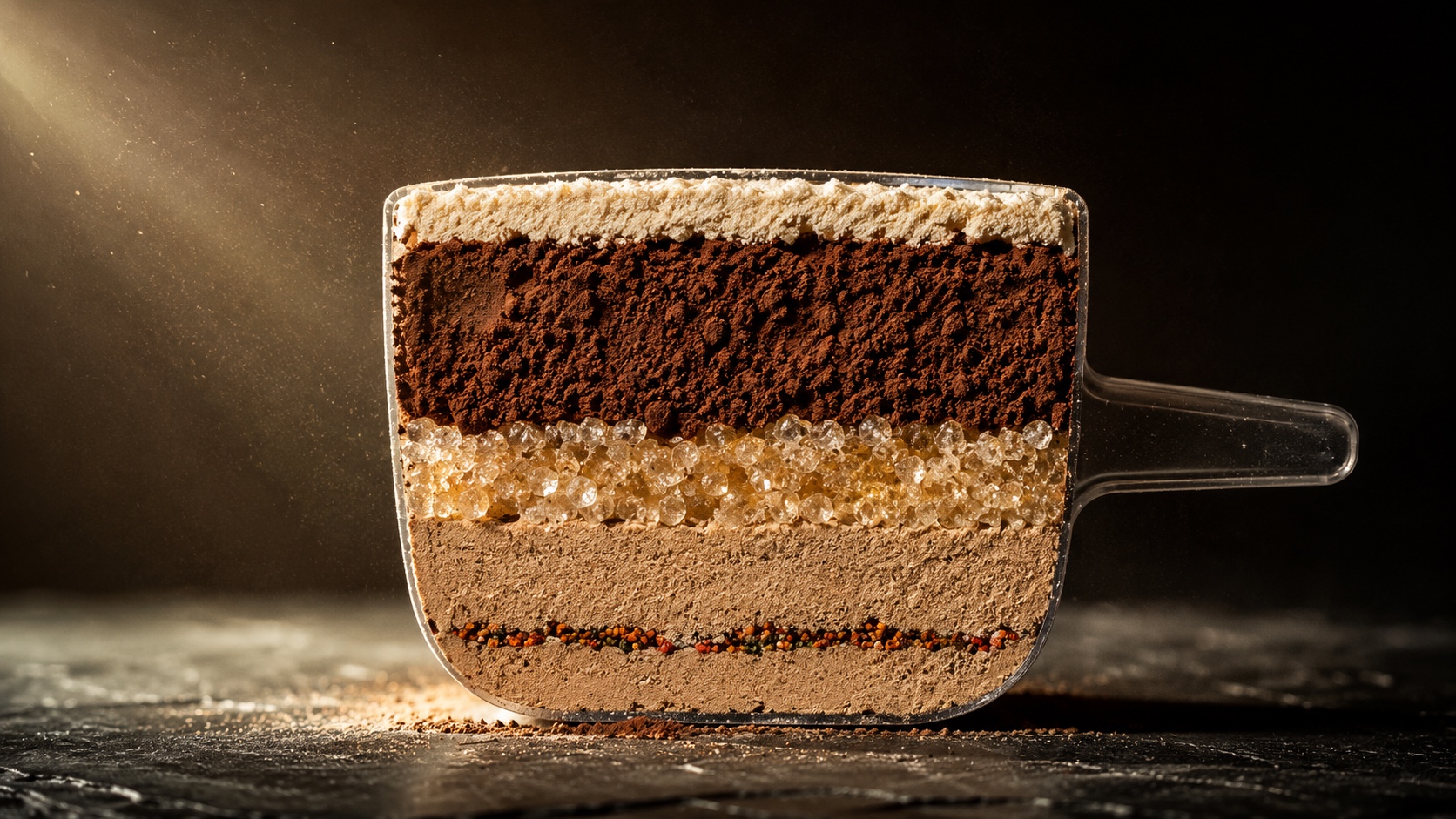
What Is Actually Inside Your Whey Protein Scoop?
A whey protein scoop is a complete formula, not 25g of pure protein. Here is what the ingredients actually are, the scoop-size trick brands use, and what to check before you buy.