
Whey Protein vs Fermented Yeast Protein: Is Fermented Yeast Actually Better?
The gym has a shiny new favourite protein, and a lot of very confident opinions about it. Here is the honest, non-hyped breakdown of whey vs fermented yeast.

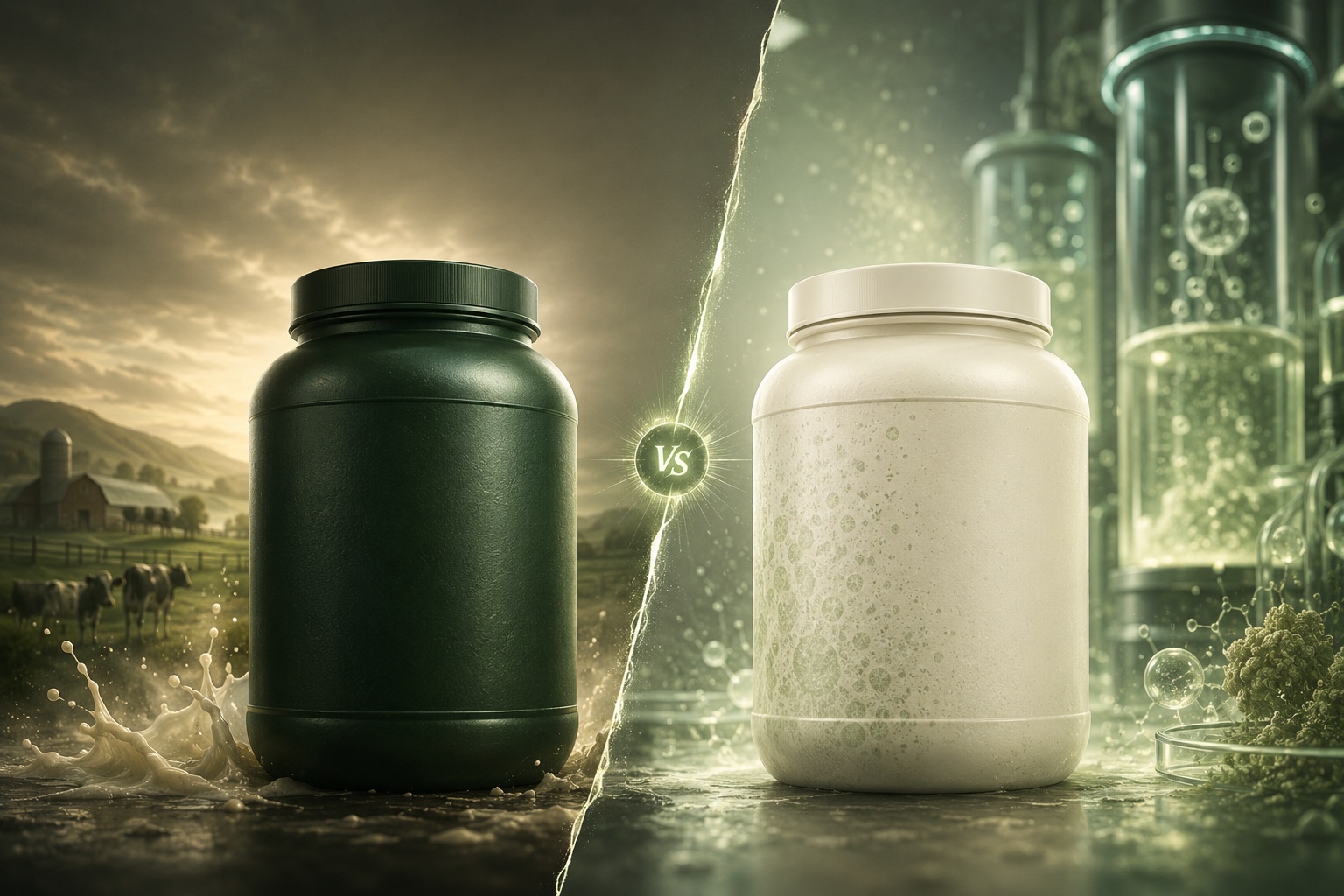
A few weeks ago, someone at my gym looked at my shaker and said, “Bro, whey is outdated now. Fermented yeast protein is the future.” Which is exactly the kind of sentence that can only exist inside a gym and on LinkedIn at the same time.
Five minutes later another guy joined in and started explaining how whey is “too processed,” how dairy is apparently ending civilisation, and how fermentation-based protein is “basically superior in every way.” Meanwhile the biggest guy in the room was quietly drinking plain chocolate whey and doing dumbbell presses, taking zero part in the protein philosophy debate.
That one conversation sums up where supplements are right now. Fermented yeast protein has become the industry's newest obsession. The branding sounds futuristic, the sustainability angle sounds smart, and the internet loves anything that feels newer than traditional whey. So naturally, everyone is asking the same thing: is fermented yeast protein actually better than whey?
The honest answer is a lot less dramatic than the marketing wants it to be.
What actually is fermented yeast protein?
Despite the space-age branding, fermented yeast protein is basically protein produced through yeast fermentation. Brands grow specific strains of yeast inside controlled fermentation systems, then process the resulting biomass into a protein powder. Think of it like brewing beer, except the end product is protein instead of alcohol.
This is why you keep seeing phrases like:
- Precision fermentation
- Next-generation protein
- Bioengineered nutrition
- Sustainable protein systems
It all sounds extremely advanced because, technically, it is. But here is the clarification the marketing skips: “fermented” does not automatically mean healthier, cleaner, or nutritionally superior to whey. The supplement industry loves turning newer technology into automatic superiority. Reality is usually more practical than that.
Why whey protein still dominates
Whey protein is still the benchmark for sports nutrition for one very simple reason. It works ridiculously well. Whey brings:
- A complete amino acid profile
- Very high leucine content
- Excellent digestibility for most people
- Decades of sports nutrition research
- Strong muscle protein synthesis data
- Very high protein density per scoop
And maybe most importantly, whey is efficient. A good whey isolate can deliver 24g to 27g of protein in a fairly small scoop while keeping the amino acid quality high. That combination is genuinely hard to beat, which is exactly why most serious muscle-building research still uses whey as the comparison standard.
People online like to talk about whey as if it is “old technology.” Realistically, it is just highly effective dairy protein that has survived decades because it keeps delivering results.
Where fermented yeast protein actually wins
To be fair, fermented yeast protein has some real, legitimate advantages. This is not a scam category.
1. It is completely dairy free
This is probably the biggest real-world win. Whey concentrate especially can cause bloating or general stomach discomfort for lactose-sensitive buyers. Fermented yeast protein sidesteps the dairy problem entirely. No lactose, no milk proteins, no dairy digestion drama. For some people, that alone settles the decision.
2. It is a better vegan protein experience
Older plant proteins often struggle with texture, amino acid completeness, or digestibility unless several sources are blended carefully. Fermented yeast protein usually performs better than those first-generation vegan systems, which is a big part of why brands are pushing it so hard as the next evolution of protein powder.
3. The sustainability argument holds up
Compared to dairy production, fermentation-based systems can, in theory, use less land, less water, and produce lower emissions. Sustainability debates online get emotional fast, but purely from a production-efficiency angle, fermentation protein has a real case here.
4. Lighter digestion for some buyers
Some people simply feel lighter on non-dairy protein. Less heaviness, less bloating, less stomach discomfort. That does not make whey “bad.” It just means digestion varies a lot between individuals, even if fitness culture likes to pretend everyone should respond identically.
So is fermented yeast protein nutritionally better?
This is where the marketing starts stretching reality. Most fermented yeast proteins still cannot consistently out-perform a high-quality whey isolate on the things that matter most:
- Leucine density
- Muscle protein synthesis research
- Protein concentration
- Long-term evidence in athletes
And that matters a lot, because protein quality is not just the label saying “25g protein.” The amino acid profile carries real weight, especially leucine, which plays a major role in triggering muscle protein synthesis. Whey remains very strong here. Some fermented yeast proteins are getting surprisingly close, but “close” and “better” are not the same word.
Most of the time, your total daily protein intake matters far more than whether it came from a cow or a fermentation tank.
The answer most people will not love
For most gym-goers in India, whey protein is still probably the more practical choice. It usually offers:
- Higher protein-per-rupee
- More long-term research
- A stronger amino acid profile
- Wider availability
- Better flavour systems
- Stronger overall value
That is the boring but honest answer. Fermented yeast protein still makes complete sense if you cannot tolerate dairy well, you want a vegan protein with better formulation quality, you care heavily about sustainability, you prefer lighter digestion, or you simply do not enjoy whey. All of those are perfectly valid reasons to switch.
Quick comparison: whey vs fermented yeast protein
| Factor | Whey Protein | Fermented Yeast Protein |
|---|---|---|
| Protein quality | Excellent | Very good |
| Leucine content | Higher | Usually lower |
| Digestibility | Excellent for most users | Excellent for dairy-sensitive users |
| Lactose | Present in some forms | None |
| Vegan-friendly | No | Yes |
| Research depth | Massive | Limited but growing |
| Protein-per-rupee | Usually better | Usually worse |
| Sustainability | Lower | Higher |
| Texture and flavour | More refined currently | Improving quickly |
None of this is fixed forever. The gap on flavour and formulation is closing every year, and prices shift constantly across retailers. That is exactly why it is worth checking the live numbers yourself rather than trusting a spec sheet from six months ago. You can compare any two products side by side on real value per gram before you spend anything.
What about taste?
This matters more than people like to admit. A protein powder only works if you actually drink it consistently. Right now whey still generally wins on flavour variety, texture, creaminess, and mixability, mostly because the whey market has had decades to refine its flavour systems.
Fermented yeast protein has improved massively, though some formulas still carry a slightly earthy or grainy aftertaste depending on the brand. That gap is shrinking fast, and honestly, some newer fermented proteins already taste far better than the early vegan powders people suffered through a few years ago.
Fermented yeast options worth a look
If the dairy-free case fits you, these are the fermented yeast picks from our catalogue worth comparing.
A solid entry point into fermented yeast protein. Complete amino acid profile, fully dairy free, and an easy chocolate flavour for people switching away from whey without wanting a taste downgrade.
The cleanest way to add dairy-free protein to smoothies, oats, or coffee without a flavour clash. Good pick if you already blend your shakes with fruit or nut butter.
A fun option if plain protein bores you. Works well as a morning shake that doubles as your caffeine hit, still fully plant based.
Whey options that are hard to argue with
If dairy is not an issue for you, these whey proteins remain some of the strongest value and quality picks in the Indian market.
A dependable middle-ground for most Indian buyers. Strong brand trust, solid digestion support, and sensible pricing make it one of the safest mainstream picks.
A homegrown whey with a clean profile and genuinely competitive protein-per-rupee. Worth putting head to head against anything imported before you pay a premium for a foreign label.
One of the most globally trusted whey lines for consistency and ingredient confidence. It costs more, but the reputation is earned.
Final thoughts
Fermented yeast protein is not a scam. It is also not the magical whey replacement some campaigns want you to believe. It is simply another protein category with its own strengths and trade-offs.
Whey still leads on muscle-building efficiency, amino acid quality, research depth, and overall value. Fermented yeast protein wins on dairy-free digestion, vegan compatibility, sustainability, and, for some buyers, plain everyday comfort. The smartest buyers stop asking “which protein is superior?” and start asking a better question: which protein can I realistically drink consistently, digest properly, afford long term, and actually enjoy?
That question matters far more than whichever protein category currently has the trendiest marketing department behind it. And when you are ready to settle it with numbers instead of gym opinions, put them side by side and let the value per gram do the talking.
Disclaimer
This article is intended for informational and educational purposes only and should not be considered medical or nutritional advice. Protein requirements, digestion, allergies, dietary preferences, and training goals vary significantly between individuals. Product formulations, amino acid profiles, ingredients, certifications, pricing, and availability may change over time. Always read the label carefully before purchasing or consuming any supplement. If you have allergies, digestive concerns, medical conditions, or dietary restrictions, consult a qualified healthcare professional before use. Whey2Much does not manufacture supplements and recommends comparing products based on transparency, suitability, and verified retailer pricing.

Written by
Whey2Much
India's smartest supplement price comparison platform. We track real-time prices across the country's top retailers so you never overpay.
Keep reading
More from the journal.

Why Is Protein Powder So Expensive in India? (2026)
Why protein powder costs so much in India: imported whey, global dairy prices, the rupee, and the marketing you are quietly paying for. Plus the one number that tells you if you are overpaying.
Best Protein Powder for Women in India (2026): 8 Picks
The best protein powders for women in India in 2026, picked on protein quality and real cost per gram, not packaging. Live prices, no paid placements.

Best Protein Powder for Beginners in India (2026)
The best protein powders for beginners in India in 2026, picked on protein per serving, ingredients and cost per gram of protein. Live prices, no paid placements.