
What Is Actually Inside Your Whey Protein Scoop?
Your scoop is not pure protein. It is a formula built around taste, texture, shelf life, and cost. Here is what is really in there, and what actually matters when you buy.

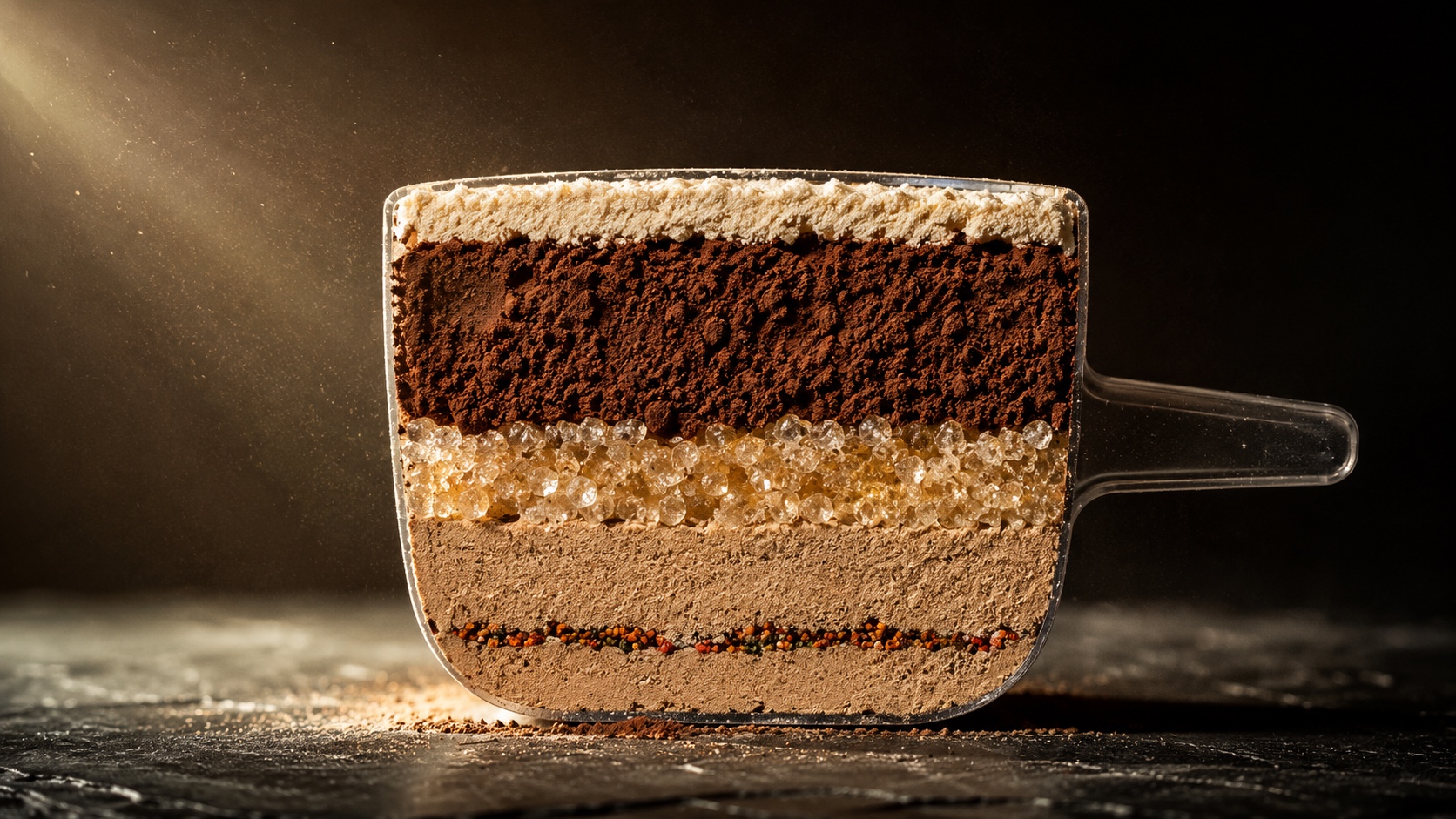
Most people buy whey protein the same way they buy petrol. You pay your money, you trust the label, and you assume what is promised is actually inside. 25 grams of protein per scoop? Sounds simple enough.
Unfortunately, the supplement industry is not built on simplicity. It is built on flashy labels, oversized serving scoops, flavour engineering, and marketing teams who discovered that the words “ultra anabolic performance matrix” somehow increase sales.
So what is actually inside your whey protein scoop? Sometimes high-quality whey and a well-balanced formula. Sometimes expensive chocolate powder wearing gym clothes. Here is what your scoop really contains, and what actually matters when you compare whey protein properly.
What a whey protein scoop actually contains
Turn most tubs around and the ingredient list usually includes some combination of:
- Whey protein concentrate or isolate
- Flavouring agents
- Sweeteners
- Emulsifiers
- Digestive enzymes
- Stabilisers and thickening agents
The exact mix depends on the brand, the formula, the flavour, and the serving size. This matters because most buyers assume a scoop is “pure protein.” It almost never is. A whey protein scoop is a complete formulation designed around taste, texture, digestion, shelf life, and cost efficiency, not just muscle building.
Your scoop is not pure protein
This is the single biggest beginner misunderstanding. When a tub says “25g protein per serving,” that does not mean the scoop weighs 25g.
Most scoops are closer to 30g, 35g, or sometimes 45g and above. The remaining weight comes from everything else in the formula: flavouring, sweeteners, cocoa powder, digestive enzymes, carbs, fats, and mixing agents.
A whey protein scoop is a formula, not a measure of pure protein.
The main ingredient: the whey itself
The actual protein in your powder usually comes in one of three forms, and the form changes both the quality and the price.
Whey protein concentrate
Concentrate contains slightly more lactose, fats, and carbs, goes through less processing, and costs less. Most concentrates land around 70 to 80% protein. Despite what the marketing suggests, concentrate is perfectly good for the majority of buyers.
Whey protein isolate
Isolate goes through extra filtration that removes more lactose, fat, and carbs. The result is a leaner powder with a higher protein percentage, cleaner macros, and easier digestion for some people. It is also noticeably more expensive. If you want the full breakdown, read our guide on whey concentrate vs whey isolate.
Hydrolysed whey protein
Hydrolysed whey is partially broken down for faster digestion. It is usually the most processed, most premium, and most expensive category, and the one most likely to quietly destroy your monthly budget.
Why whey flavours taste so different
This is where many protein powders become dessert chemistry projects. Most flavoured whey contains cocoa powder, flavouring compounds, artificial sweeteners, stabilisers, gums, and thickeners. That is why some powders foam heavily, some feel thick, some taste extremely sweet, and some leave a chemical aftertaste.
A heavily flavoured powder can sometimes contain less actual protein density than buyers assume. That does not automatically make it bad. It just means flavour matters more than most people realise. If you want fewer additives, an unflavoured option is the cleaner route, and we cover the trade-offs in unflavoured vs flavoured whey.
Digestive enzymes: useful or just marketing?
Many ingredient lists include enzymes like lactase, protease, papain, or branded blends such as DigeZyme. These are designed to improve digestion, reduce bloating, and help lactose-sensitive users. For some people, they genuinely help.
But brands often market digestive enzymes as if they discovered a new branch of human biology. The honest reality: a helpful addition, not magic.
The ingredients buyers panic about
Flip the tub and you will probably find names like soy lecithin, xanthan gum, silicon dioxide, and various anti-caking agents. Fitness forums love treating these like chemical warfare.
In reality, most of these exist for practical reasons: improving mixability, preventing clumping, stabilising texture, and extending shelf life. Chemical-sounding names are not automatically dangerous. The internet just enjoys a dramatic reaction.
The scoop-size trick brands use
This is where buyers quietly get misled. Two products can both advertise “25g protein,” while delivering very different amounts of actual whey per gram of powder:
| Product | Protein claim | Scoop size | What it means |
|---|---|---|---|
| Product A | 25g protein | 32g scoop | Around 78% protein density |
| Product B | 25g protein | 45g scoop | Around 56% protein density |
Both shout “25g protein” on the front. But Product B packs far more non-protein material into every serving, which means fewer real servings per tub and a worse deal per gram of protein. Most buyers never compare protein percentage, protein-per-100g, or total usable protein. They only compare the big number on the label, which is exactly what brands are counting on. We break the full playbook down in how brands inflate protein numbers.
What actually matters when you compare whey
Most people obsess over a single tiny ingredient while ignoring the bigger picture. Before you buy, check the things that actually move the needle:
- Protein per serving and the serving size that delivers it
- Protein percentage and protein-per-100g
- Ingredient transparency and independent testing
- Digestion and how your stomach actually responds
- Total servings and protein-per-rupee
Those factors matter far more than whether the flavour name sounds like a dessert menu item.
Six whey proteins with strong overall formulations
These are six options from our catalogue that balance protein quality, transparency, and value well. Prices below are live and update automatically, so you always see the current best deal across retailers.
A strong balance of whey quality, digestion support, flavour, and trust. One of the safest mainstream choices for Indian buyers.
One of the most established whey formulas in the world, with consistently strong ingredient transparency and reliable quality control.
A simple, whey-focused formula without excessive marketing noise. At 20 g of protein in a 33 g scoop it is one of the lighter powders we track, so its protein-per-rupee value depends on catching one of MyProtein's frequent sales.
A great pick if you want fewer additives and more flexibility for recipes or smoothies, with maximum protein per rupee.
Premium hydrolysed isolate with a strong digestion and mixability reputation. Expensive, but genuinely high-end.
A solid option for buyers who specifically want isolate with stronger long-term value at larger sizes.
Frequently asked questions
Does one scoop of whey protein equal 25g of protein?
No. A whey protein scoop usually weighs 30g to 45g in total, while only part of that weight is actual protein. The rest is flavouring, sweeteners, cocoa, enzymes, and mixing agents. The "25g protein" claim refers to protein content, not the weight of the scoop.
Why does whey protein contain gums and emulsifiers?
Ingredients like soy lecithin, xanthan gum, and silicon dioxide improve mixability, prevent clumping, stabilise texture, and extend shelf life. They sound like chemicals because they are listed by their scientific names, but most are common, well-studied food additives.
Are the artificial sweeteners in whey protein harmful?
Most approved sweeteners used in reputable whey protein, such as sucralose and acesulfame potassium, are considered safe within established intake limits for healthy adults. If you prefer to avoid them entirely, an unflavoured whey isolate is the cleanest option.
Why do some protein powders have less protein per scoop?
Large serving sizes, heavy flavour systems, added carbs and fats, and fillers all reduce the protein density of a scoop. Two tubs can both claim 25g of protein while one delivers it in a 32g scoop and the other in a 45g scoop, which means very different protein-per-100g.
How do I compare whey protein properly?
Look past the big number on the front. Compare protein per 100g, serving size, total servings, ingredient transparency, third-party testing, and protein-per-rupee. Whey2Much tracks live prices across India's top retailers so you can compare the same product side by side before buying.
Final thoughts
Your whey protein scoop is not just protein. It is a complete formula built around taste, digestion, texture, shelf life, cost efficiency, and marketing. Some formulas are transparent and well-designed. Others are mostly branding attached to chocolate flavouring.
The smartest buyers stop staring at the front label and start understanding what is actually inside. That is where the real difference between good whey and expensive nonsense starts to become obvious, and it is exactly what comparing prices on Whey2Much is built to make easy.
This article is for informational and educational purposes only and is not medical or nutritional advice. Product formulations, ingredients, certifications, pricing, and availability can change over time, so always read the label before buying or consuming any supplement. If you have allergies, medical conditions, digestive concerns, or are unsure whether whey protein is right for you, consult a qualified healthcare professional first. Whey2Much does not manufacture supplements and recommends comparing products based on transparency, suitability, and verified retailer pricing.

Written by
Whey2Much
India's smartest supplement price comparison platform. We track real-time prices across the country's top retailers so you never overpay.
Keep reading
More from the journal.
Why Is Protein Powder So Expensive in India? (2026)
Why protein powder costs so much in India: imported whey, global dairy prices, the rupee, and the marketing you are quietly paying for. Plus the one number that tells you if you are overpaying.
What Does 'FSSAI Approved' Actually Mean on Your Protein Powder?
FSSAI approved does not mean lab tested or protein verified. Here is what an FSSAI licence actually certifies on Indian supplements, and how to check one yourself.
How to Choose Protein Powder in India Without Getting Scammed
Front labels sell dreams. Back labels tell the truth. Here are 7 checks for cutting through hype, discount theatre, and 'advanced anabolic ultra matrix' nonsense.